By Cory Viveiros, MS, ATC, LAT, CES
Injury Prevention Specialist, Fit For Work
This article is part of our Body Basics series. If you missed the first post, check out “Hip Health and the Industrial Athlete” by clicking here.
For your valuable industrial athletes, protecting the spine is about more than preventing pain. It’s about building a stronger, healthier, and more resilient workforce. With proper ergonomics, regular movement, a strong core, and smart recovery, employees can maintain a healthy spine for the long haul. They will not only improve their outcomes in the workplace but will also enjoy their time outside of work for years to come.
Why Spinal Health Matters
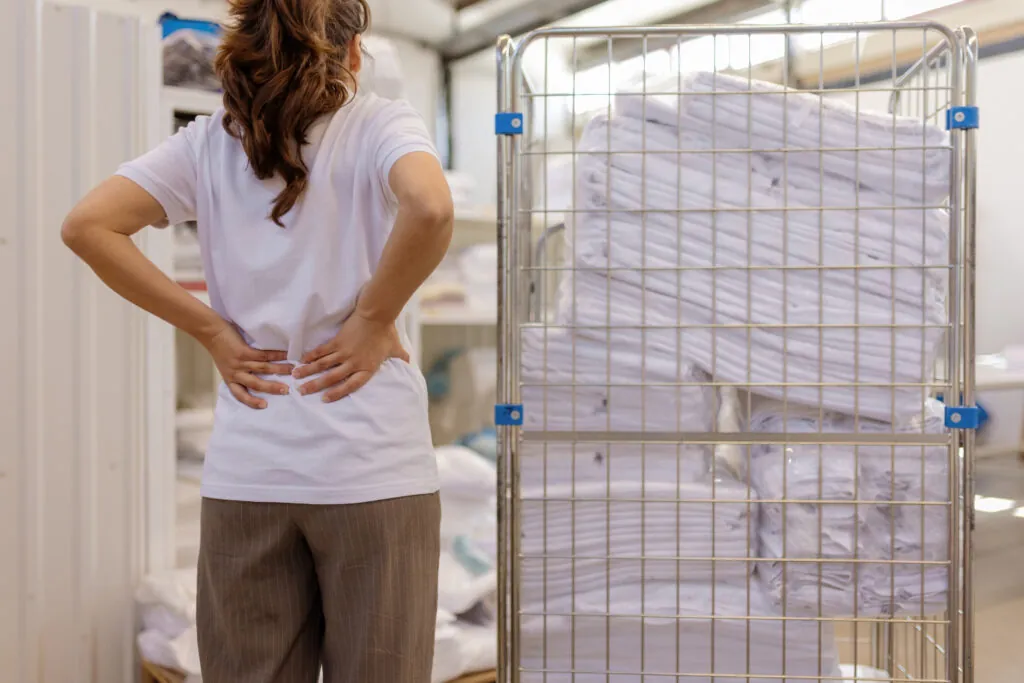
The spine is the backbone of every movement workers make on the job and in life. A U.S. Bureau of Labor Statistics study found that musculoskeletal disorders (MSDs) involving the back accounted for 38.5% of all work-related MSDs. Therapies can help, but it’s crucial to emphasize the importance of strengthening. In industrial work, tasks such as lifting, bending, and long hours while standing are often routine. Poor posture, repetitive strain, and heavy loads put constant pressure on the back. Spinal health can mean the difference between a productive shift and painful setbacks for your team.
The goal is not only about avoiding injury; it’s also about maintaining mobility, strength, and long-term health.
The Spine at Work
When you think of the spine, do you picture bones stacked together? In reality, the spine is a dynamic structure built to handle movement, stability, and force. The spine holds everything up, and there are always forces pulling on it. Over time, strain can lead to pathologies such as herniated discs, muscle strains, and chronic low back pain if left unchecked.
Improper lifting, twisting, and standing for long periods aren’t the only ways to injure the spine; poor posture when sitting at a desk or driving a vehicle can cause damage, too. Alleviating those risks can be as simple as providing education on the importance of proper positioning and taking breaks to stretch.
Ergonomics Practices that Protect the Spine
Mitigating the risk of spinal injury doesn’t have to be complex. Here are a few tips:
- Adjustable workstations, properly placed tools, and storing heavy items at waist height reduce unnecessary bending and twisting.
- When lifting and handling materials, reinforce proper technique by using the power zone—often described as acting like an elevator, not a crane—to safely move loads. If items are too heavy or awkward, recommend team lifts or mechanical assistance.
- Posture awareness and maintaining a neutral spine are the best defenses. Remind your team to avoid slouching or overarching the back. Think tall posture, with aligned shoulders and an engaged core.
The best way to reinforce these practices is through frequent conversations and reminders. Small cues to focus on posture or take a break every hour, posters that make correct technique easily visible, and handouts on proper desk setup make a difference. QR codes that allow individuals to view the visuals on their mobile devices are also a great resource.
Move Often, Strain Less
Static positions take a toll, even with the best ergonomics. Sitting at a desk, driving a truck, or working at a manufacturing station all create repetitive stress. Emphasize short microbreaks, task rotation, and stretches to reset posture and reduce tension. Shoulder rolls, gentle back extensions, and walking breaks offer easy ways to keep circulation moving and muscles resilient.
Remember that every body is unique and responds differently to change, so exercise recommendations should be tailored to the individual.
Strengthening the Core
While the focus is on the spine, it’s important to recognize that the body is a chain with everything connected. When considering a strong core, you might only think about the midsection, but the hips and glutes have an essential role to play in core strength, too. Here are three tips:
- A strong core stabilizes the spine and distributes load evenly, lowering the risk of overuse injuries.
- Work-appropriate exercises such as planks, bird dogs, glute bridges, and standing anti-rotation presses with a band are effective and safe for most workers. Yoga poses like cat-cow are also a great addition.
- Integrating exercises for 5 to 10 minutes a day makes a difference. Encourage your team to do quick warm-ups before their shift, incorporate micro-exercises during breaks, and engage in recovery moves after work.
Recovery and Long-Term Maintenance
The spine needs time to recharge, and recovery plays a vital role in long-term health. Healing happens most effectively during sleep or rest, making quality downtime essential. Maintaining a neutral spine position while resting helps prevent strain and supports proper alignment. Hydration is also key—well-hydrated muscles stay pliable, reducing the risk of injury and discomfort.
Lumbar supports, belts, and braces should be used when appropriate, but remember that they are not a replacement for good posture habits and strength. If the body becomes dependent on aids, they can do more harm than good.
The best support for recovery is quality sleep, proper rest positions, and hydration.
Real-World Impact: Supporting Drivers with Mobile Ergonomics
As an employer, you play a key role in supporting spinal health across your workforce. For frontline workers, maintaining back health is essential to staying safe, productive, and injury-free. While changing long-standing habits can be challenging, fostering a culture that prioritizes spinal health delivers measurable benefits for both employees and the organization.
Several years ago, Fit For Work began providing onsite services for a large food services company with a diverse workforce. From delivery drivers to selectors in the warehouse, both groups benefited from spinal health education. However, the drivers presented a unique challenge, as their work environment was away from the facility.
To meet this need, Fit For Work deployed an Ergo-Lab, a mobile ergonomics setup designed to assess and address workplace risks in real-world environments. This approach allowed the team to go on the road and interact with drivers, evaluate their specific needs, and provide personalized guidance. The drivers appreciated the additional support, and the company recorded a 10% reduction in injuries with the increased ergonomics resources.
This example shows that when ergonomics programs meet workers where they are, both on the job and in their daily routines, they make a bigger difference for health and performance.
Building Habits That Last
Education is the best approach. Emphasize the importance of spinal health and its connection to both workplace performance and personal activities. Your team will appreciate being recognized as whole individuals. Also, engage in daily dialogue to answer questions and make small changes. It takes 21 days to build a new habit, so old habits won’t be broken in one or two meetings. Be consistent, and injuries will begin to decrease.
Conclusion
You can build a stronger, more resilient workforce by making spinal protection a daily habit through consistent education and training. Your team will benefit now and for years to come.
A safe spine is not just an individual goal; it should be an organizational commitment.
Contact us to learn more about our early intervention and ergonomic services—and how we can help support spinal health and injury prevention across your workforce.
Cory Viveiros holds a Bachelor of Science in athletic training from Bridgewater State University and a master’s degree in exercise science and health promotion, with a focus on rehabilitation science, from Pennsylvania Western University. He is a board-certified athletic trainer through the BOC and licensed in both Rhode Island and Massachusetts.
Cory is also a certified Corrective Exercise Specialist (CES) through the National Academy of Sports Medicine. He spent 12 years in the Sports Medicine Department at Roger Williams University, including four as department head.
Since joining Fit For Work in April 2023, Cory has worked as an injury prevention specialist across various manufacturing and food distribution sites. He has led ergonomic initiatives for clients nationwide and serves as a mentor in the company’s new hire program.