By Jason Heinold, ATC, LAT, OSHP, and Brianna Spencer, MS, LAT, ATC, CEAS
Ergonomics, Injury Prevention, & Safety Specialists, Fit For Work
This is Part 2 of our work-related musculoskeletal disorder Q&A series. In Part 1, we explored prevention strategies and why WRMSDs persist. Here, Fit For Work experts, Jason Heinold and Brianna Spencer, share how safety leaders can strengthen reporting culture, implement effective secondary prevention strategies, and take practical action to reduce risk. This reflects a broader shift toward viewing safety as the capacity to adapt and respond in real-world conditions.
Work-related musculoskeletal disorders (WRMSDs) remain one of the most persistent safety challenges across industries. While prevention strategies are essential, organizational response to early symptoms and leadership reinforcement of safety culture often determine long-term outcomes.
Responding Early: Secondary Prevention & Reporting
After an employee reports discomfort or an injury, what should secondary prevention (intervention after injury) look like?
Brianna Spencer: Speed is key; prompt reporting, evaluation, and intervention are essential so symptoms don’t worsen. The earlier you can get the ball rolling with those things, the easier it is for the employee to recover. This should also trigger a job observation to evaluate what is causing the discomfort.
Jason Heinold: No employer wants to have a recordable injury, and good secondary prevention can keep that initial discomfort from increasing in severity. It’s important to address those aches and pains with first aid quickly so employees can continue working safely and comfortably. Follow-up with the employee to ensure that they’re not continuing to experience discomfort or noting increased severity.
How do job observations and redesign reduce repeat issues?
Jason: If an employee presents with back discomfort, we look at their job and evaluate how they are working. Are they working in awkward postures? We can address that during the observation by discussing better posture and why it would reduce the discomfort. If the issue is related to the job process, exploring a redesign of the job is a good approach to reduce the chances of injury or soreness.
I recently evaluated a job process that involved building a large frame for a unit, with the unit sitting on the floor. There are a few options for completing the process: bending over, kneeling, or sitting down. None of those positions are ideal, so we worked to redesign the job with the unit raised to accommodate better working posture.
Identifying Early Risk
What early signals should HR and safety leaders be paying attention to?
Brianna: Employee-reported soreness, increased errors, slower production time, or changes in work pace are good early indicators that there may be an issue. Paying attention to those signs and asking additional questions are effective ways to explore whether the employee is moving toward injury, experiencing mental health challenges, or experiencing difficulties outside of work that would benefit from support.
Building a Culture of Reporting
How can HR and safety leaders encourage early reporting without increasing fear or stigma?
Brianna: Creating a culture where employees feel safe to communicate is vital. Positively reinforce open communication to reduce the fear of reporting injuries or concerns. Quickly following up on issues or concerns will also help solidify trust.
Jason: Leadership behavior matters. If frustration about reporting processes is visible, employees may hesitate to speak up. Even tracking “days without injury” can unintentionally discourage reporting.
Leading the Change: What Leaders Should Do Now
What does “shared responsibility” look like in practice?
Brianna: Employees must be responsible for following safe work practices that are already in place, along with reporting safety concerns, including early reporting of soreness. They also need to be vocal participants in any ergonomics or safety committees.
Leadership is responsible for creating a good safety culture, along with providing training, resources, and equipment necessary for employees to work safely.
Jason: Most programs have a breakdown when there’s a lack of honest communication between leadership and employees. Follow-through is a big part of building the trust needed for effective communication. If leadership performs a job assessment for the purpose of mitigating risks, maintain a dialogue with employees about the status of solutions.
Sometimes, the ideal solution isn’t feasible due to expense, but that creates an opportunity to get feedback from employees on alternate solutions. They are often process experts and have great ideas.
If you could give HR and safety leaders a starting point, what are a few actions they can take in the next 30-60 days to reduce WRMSD risk and support holistic worker health?
Jason: There are a few relatively quick and easy steps that make a big impact:
- Employee symptom survey: Gather information about the employee’s department, tasks, processes, perhaps dominant hand, and any discomfort. Include questions about whether they feel like they have enough time to complete their jobs.
- Heat map: Look at processes and rank them by risk. Then start working on the highest risk processes first to evaluate and develop solutions.
Brianna: Depending on employee feedback and interest, also consider adding:
- Job rotations: Performing the same tasks all day every day can be monotonous. Job rotations are a great way to add variety and increase employee engagement. This is also an opportunity to fine-tune training on various roles, making sure that standard operating procedures (SOPs) for each position are being followed.
How should organizations measure progress?
Brianna: Tracking must be a priority for high-risk areas and injury reports to identify which roles have the most recordable injuries and those that have the most reported symptoms. Tying all that data together creates a clear picture of the starting point and checking it regularly will demonstrate progress.
Jason: Ergonomics committees can be beneficial, so an employer should consider creating one if it doesn’t already exist. Include at least one employee from each department to get good representation and feedback.
Create a list of processes as well and set a timeline for evaluating them. For example, if a plant has 200 processes, maybe it would be realistic to evaluate 25% of them in the first 60 days. There may be some hiccups, and the timeframe may need to be extended, but the progress checkpoints are necessary to keep things moving.
What’s one misconception about WRMSDs leadership should stop believing?
Jason: Be careful when making assumptions and placing blame for injuries. A thorough root cause analysis is still necessary.
Brianna: While employee behavior can certainly contribute to injuries, investigation into the job process and station setup is required. No amount of job coaching can compensate for a station that requires repeated awkward reaching, involves broken lift-assist equipment, or other high-risk situations.
What’s one sign a prevention program is working, even before injury rates change?
Brianna: Culture shifts are one of the first noticeable changes. Employees start engaging more with leadership about ergonomic issues and speaking up about early symptoms. It starts to feel more inclusive.
Jason: Employees and direct supervisors start to have better rapport. If onsite providers are present, employees get more comfortable sharing concerns about soreness or other job-related challenges.
Key Takeaways for Safety Leaders
- WRMSDs often develop gradually and early signals like soreness and fatigue should not be ignored
- Early reporting and rapid intervention can prevent minor discomfort from becoming recordable injuries
- Leadership behavior directly shapes reporting culture and employee trust
- Practical steps like symptom surveys, job rotations, and heat mapping can reduce risk within 30–60 days
Ready to move from insight to action? Connect with the Fit For Work team to explore practical ways to reduce WRMSD risk in your organization.
Meet the experts:
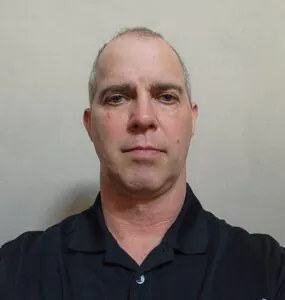
Jason Heinold is an injury prevention specialist with a strong background in athletic training and workplace health. He joined Fit For Work in June 2017 and delivers proactive injury prevention services along the East Coast. His approach combines hands-on expertise with ergonomics to help organizations reduce workplace injuries and support employee well-being.
Jason holds a bachelor’s degree in physical education with a concentration in athletic training from Eastern Illinois University. He is a certified athletic trainer (ATC), performance enhancement specialist (PES), and occupational safety and health professional (OSHP).
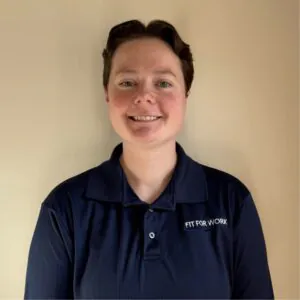 Brianna Spencer is a certified and licensed Athletic Trainer who graduated with a bachelor’s degree in athletic training from Slippery Rock University and a master’s in occupational health and safety from Columbia Southern University. At Fit For Work, Brianna develops and implements comprehensive injury prevention programs, conducts ergonomic assessments, and provides safety training tailored to the unique needs of each workplace.
Her proactive approach has significantly reduced workplace injuries and improved overall employee well-being. Specializing in injury prevention, ergonomics, and safety, Brianna leverages her expertise to promote workplace safety, health, and well-being.